%20%20--%3E%0A%3Csvg%20version%3D%221.1%22%20xmlns%3D%22http%3A%2F%2Fwww.w3.org%2F2000%2Fsvg%22%20xmlns%3Axlink%3D%22http%3A%2F%2Fwww.w3.org%2F1999%2Fxlink%22%20x%3D%220px%22%20y%3D%220px%22%0A%09%20viewBox%3D%220%200%20991.1%20200%22%20style%3D%22enable-background%3Anew%200%200%20991.1%20200%3B%22%20xml%3Aspace%3D%22preserve%22%3E%0A%3Cstyle%20type%3D%22text%2Fcss%22%3E%0A%09.st0%7Bfill%3A%23231F20%3B%7D%0A%09.st1%7Bfill%3A%23C41E3A%3B%7D%0A%09.st2%7Bfill%3A%23FFFFFF%3B%7D%0A%09.st3%7Bopacity%3A0.2%3B%7D%0A%09.st4%7Bfill%3A%23A7A9AC%3B%7D%0A%09.st5%7Bfill%3A%23002A5C%3B%7D%0A%09.st6%7Bfill%3A%23808080%3B%7D%0A%3C%2Fstyle%3E%0A%3Cg%20id%3D%22Template%22%3E%0A%3C%2Fg%3E%0A%3Cg%20id%3D%22Layer_2%22%3E%0A%09%3Cg%3E%0A%09%09%3Cpath%20class%3D%22st2%22%20d%3D%22M124.1%2C143.5c-2.6-5.9-2.8-15-3.9-24.5c-0.3-2.8-2.3-14.5-7.9-20.6c-5.5-6.1-12.5-8.6-13.6-9.2%0A%09%09%09c10-3.7%2C16-8.4%2C19.9-15.6c6.5-12.8%2C7.2-26.8-5-38.9c-3-3-7.5-5.3-13.4-7.3c-22.6-7.9-61.5%2C2.5-82.1-4.4c-6.5-2.2-7.8-7-8.6-10.6%0A%09%09%09c-0.6-3.4-5.1-0.6-6.9%2C2C0.1%2C18.8-3%2C27.8%2C6.2%2C34.4c11.1%2C7.8%2C46.3%2C4.4%2C68.2%2C4.7c23.7%2C0.3%2C27.4%2C18.4%2C18.4%2C34.7%0A%09%09%09c-7%2C12.3-23.2%2C11.4-25.9%2C10.6C68%2C80.6%2C76.1%2C56%2C77%2C52.8c1.7-5.5-2.3-9.5-6.9-8.3c-6.1%2C2-5%2C4.8-24.8%2C9.8c-6.7%2C1.7-3.6%2C5.6-1.7%2C9.2%0A%09%09%09c0.6%2C1.1%2C0.5%2C3.3%2C0%2C5.4c-0.3%2C1.2-13.9%2C47.8-17.9%2C60c-1.2%2C3.6-3.3%2C4.5-5.8%2C6.4c-5.6%2C3.9-6.7%2C9.5%2C0.8%2C9.5c11.8-0.2%2C22.7%2C0%2C33.8%2C0%0A%09%09%09c3%2C0%2C5-1.4%2C5.1-4.4c0-5.1-6.1-5.1-6.2-8.1c2.3-9.3%2C6.7-26.6%2C9.5-35.7c8.6-0.6%2C15.3%2C1.4%2C19.8%2C4.7c5.6%2C4%2C6.2%2C12.5%2C6.5%2C15.7%0A%09%09%09c0.9%2C10.9%2C1.6%2C26.2%2C4.5%2C34.6c2%2C5.6%2C5.1%2C11.1%2C10.1%2C13.7c12.8%2C6.7%2C28.8%2C1.2%2C34.3-2.2c4.2-2.3%2C5.5-5.5%2C3.9-8.3%0A%09%09%09C140.2%2C151.5%2C130.1%2C156.9%2C124.1%2C143.5z%22%2F%3E%0A%09%09%3Cpath%20class%3D%22st2%22%20d%3D%22M380.3%2C65.7c6.4%2C0%2C12.1-4.8%2C12.9-10.9c0.9-6.2-3.6-11.1-9.8-11.1c-6.4%2C0-12.1%2C4.8-13.1%2C11.1%0A%09%09%09C369.5%2C60.8%2C373.9%2C65.7%2C380.3%2C65.7z%22%2F%3E%0A%09%09%3Cpath%20class%3D%22st2%22%20d%3D%22M551%2C104.8c2-4.7-2.8-8.5-7.2-8.2c-3.7%2C0.3-7.5%2C2.2-7.8%2C7.9c0%2C1.8%2C0.4%2C3.2%2C1.1%2C4.5%0A%09%09%09c-3.6%2C7.7-7.8%2C17.3-14.1%2C16.6c-5.3-0.6-0.8-13.6-0.8-13.6c2.6-8.3%2C17.3-51.9%2C22.9-69.5c1.4-4.5-2-7.9-5.8-6.9%0A%09%09%09c-2.8%2C0.9-5%2C3-8.3%2C4.4c-4.2%2C1.9-8.3%2C2.6-12.5%2C3.9c-5.3%2C1.6-3%2C4.7-1.4%2C7.6c0.8%2C1.6%2C0%2C5.3-0.8%2C7.9c-4.7%2C13.6-10.6%2C30.1-14.8%2C41.7%0A%09%09%09c-1.6%2C4-6.9%2C20.1-7.5%2C21.6c-8.1%2C20.4-17.3%2C10.1-16.2-1.7c0.3-4.7%2C1.1-10.3%2C3.1-15.9c5-14.8%2C9.8-20.2%2C16-20.4%0A%09%09%09c0.9%2C1.4%2C2.3%2C2.3%2C4%2C2.3c2.6%2C0%2C4.7-2.2%2C4.8-4.8c0.3-3.6-2.6-7-12.5-6.2c-16.8%2C1.2-33.8%2C15-38.9%2C33c-3.6%2C7.9-7.8%2C17.4-14.2%2C16.7%0A%09%09%09c-5.1-0.6-0.8-13.5-0.8-13.5c0.6-1.7%2C3-10.9%2C3.7-14.5c2.5-10.3%2C0-19.9-7.9-21.5c-4-0.8-7.9%2C1.1-13.4%2C0.3c0.6-1.9%2C1.1-3.4%2C1.1-5.5%0A%09%09%09c0-7.2-5.3-12-12-12c-6.5%2C0-12%2C5.4-12%2C12c0%2C3.9%2C1.9%2C7.5%2C4.8%2C9.7c0.5%2C8.9-7.2%2C24.1-10.6%2C31.3c-0.3%2C0.6-0.5%2C1.2-0.6%2C1.7%0A%09%09%09c-3.1%2C6.2-6.9%2C12.3-12.1%2C12.8c-1.4%2C0-2.5-0.3-3.4-1.4c-1.1-1.2-1.6-4.5%2C1.1-13.1c4-12.8%2C8.1-23.2%2C9.3-25.7c2.8-5.6%2C4.4-6.4%2C4.7-9%0A%09%09%09c0.3-1.9-0.9-3.1-1.9-3.3c-3.1-0.8-4.8%2C1.4-9%2C2.2c-5.3%2C0.9-14-1.2-14.5%2C2c-0.8%2C5.3-2.2%2C9.5-4.8%2C16.5c-1.7%2C4.8-5.6%2C15.1-7%2C19%0A%09%09%09c-2.2%2C4.1-5.3%2C8.5-9.5%2C12c-1.7%2C1.4-5.8%2C3.9-8.6%2C3c5-4.8%2C7.5-8.9%2C10.3-15c3.3-7.2%2C5.1-14.8%2C3.7-22.7c-1.2-7.8-8.6-15-17.6-15.4%0A%09%09%09c-5-0.3-10.1%2C0.5-15.3%2C0.9c5-15%2C9-27.7%2C10.9-33.5c1.4-4.5-2-8.1-5.8-7c-3.7%2C1.1-6.1%2C3.7-11.5%2C5.8c-3.3%2C1.2-6.4%2C1.9-9.2%2C2.6%0A%09%09%09c-5.5%2C1.4-3.1%2C4.7-1.6%2C7.8c0.9%2C1.6%2C0.2%2C5.3-0.6%2C7.9c-2.8%2C8.1-8.9%2C25.9-14.8%2C43.3c-0.5%2C1-1.2%2C2.5-2.2%2C4.5%0A%09%09%09c-3.7%2C7.8-7.9%2C18.2-14.5%2C17.4c-5.3-0.6-0.8-13.6-0.8-13.6c2.6-8.3%2C17.3-51.9%2C22.9-69.5c1.4-4.5-2-7.9-5.8-6.9%0A%09%09%09c-2.8%2C0.9-5%2C3-8.3%2C4.4c-4.2%2C1.9-8.3%2C2.6-12.5%2C3.9c-5.3%2C1.6-3%2C4.7-1.4%2C7.6c0.8%2C1.6%2C0%2C5.3-0.8%2C7.9c-4.7%2C13.6-10.6%2C30.1-14.8%2C41.7%0A%09%09%09c-1.6%2C4-6.9%2C20.1-7.5%2C21.6c-8.1%2C20.4-17.3%2C10.1-16.2-1.7c0.3-4.7%2C1.1-10.3%2C3.1-15.9c5-14.8%2C9.8-20.2%2C16-20.4%0A%09%09%09c0.9%2C1.4%2C2.3%2C2.3%2C4%2C2.3c2.6%2C0%2C4.7-2.2%2C4.8-4.8c0.3-3.6-2.6-7-12.5-6.2c-16.1%2C1.2-32.4%2C13.9-38.2%2C30.8c-0.9%2C1.4-2%2C2.8-3.2%2C4.2%0A%09%09%09c-4.4%2C5.3-14.6%2C15.4-28.8%2C14.8c-4-0.2-6.9-2.5-8.6-5.5c8.6-3.3%2C27.4-11.1%2C34.3-22.1c7.5-11.7%2C1.6-23.8-15.7-23%0A%09%09%09c-23.4%2C1.1-41.9%2C20.4-44.7%2C38.3c-2.8%2C18.1%2C4.5%2C31.1%2C23.5%2C31.1c10%2C0%2C18.7-2.6%2C26.5-7.2c5.6-3.3%2C10.8-7.3%2C15.3-11.9%0A%09%09%09c1%2C4.4%2C3.1%2C8.3%2C6.2%2C11.4c11.4%2C11.7%2C29.1%2C6.9%2C36-1.6c0.3%2C0.8%2C0.6%2C1.4%2C1.1%2C1.9c5.4%2C7.4%2C17.5%2C10.1%2C30.8%2C0.6c-0.9%2C3.3%2C1.5%2C6.7%2C5%2C6.7%0A%09%09%09c4.4%2C0%2C9.7%2C0%2C13.1%2C0c2%2C0%2C3.7-1.1%2C4.7-2.8c3%2C1.6%2C6.7%2C3%2C11.5%2C2.8c4.4-0.2%2C6.9-1.2%2C10.3-2.6c12.5%2C6.3%2C25%2C0.3%2C34.4-8.2%0A%09%09%09c0.5%2C2.1%2C1.1%2C3.6%2C1.8%2C4.5c7.3%2C10%2C26.2%2C11.5%2C44.1-12.8c5.2-7.1%2C6.6-10.8%2C8.2-14.6c3.2-6%2C6.2-12.9%2C11.2-25c2.3%2C0.5%2C6.7%2C0.2%2C3.9%2C7.2%0A%09%09%09c-4.4%2C11.5-7.5%2C21.3-7.6%2C21.3c-1.2%2C4.4-2.2%2C11.1-2.2%2C13.1c-0.2%2C5.1%2C1.2%2C8.4%2C2.3%2C10.1c6.7%2C9.2%2C23.6%2C11.1%2C40.5-8.3%0A%09%09%09c1.2%2C2.9%2C2.8%2C5.5%2C5%2C7.7c11.4%2C11.7%2C29.1%2C6.9%2C36-1.6c0.3%2C0.8%2C0.6%2C1.4%2C1.1%2C1.9c7.2%2C9.8%2C26%2C11.4%2C43.9-12.8c1.4-1.9%2C2.6-3.6%2C3.5-5.1%0A%09%09%09c1.1%2C2.5%2C1.8%2C5%2C2.1%2C7.5c2.6%2C20.1-18.2%2C39.9-45.9%2C39.9c-28.2%2C0-251.5-18.4-294-9.3c-5.6%2C1.2-28.7%2C5.9-29.3%2C24%0A%09%09%09c-0.5%2C10.1%2C8.3%2C17.6%2C18.4%2C18.4c17.4%2C1.2%2C22.4-14.2%2C41.1-19.6c33.8-9.7%2C238%2C1.9%2C263.2%2C1.9c34.1%2C0%2C58.1-21.5%2C58.1-50.6%0A%09%09%09c0-10.3-3.2-20.9-7.6-25.2C550.9%2C105.9%2C551%2C105.3%2C551%2C104.8z%20M169.7%2C87.3c5.3-3.9%2C12.1-4.1%2C12.3%2C1.2c0.3%2C10.6-15.3%2C19.2-23.5%2C23%0A%09%09%09C158.2%2C103.8%2C160.8%2C93.6%2C169.7%2C87.3z%20M323%2C115c-0.6-0.2-1.4-0.2-2-0.2c-6.7%2C0-12.1%2C5.5-12.1%2C12.1c0%2C3.9%2C1.2%2C6.1%2C2.2%2C7.8%0A%09%09%09c-1.9%2C0.9-4%2C1.2-6.2%2C0c-1.7-1.4-3.4-2.5-3.1-7c3.7-11.4%2C8.6-26.3%2C13.2-40.8c0.9-1.1%2C2-2.2%2C3-3.1c3.1-2.6%2C12.1-2.8%2C11.7%2C7.8%0A%09%09%09C328.7%2C99.9%2C326.1%2C107.6%2C323%2C115z%22%2F%3E%0A%09%09%3Cpath%20class%3D%22st2%22%20d%3D%22M675.2%2C143.5c-2.6-5.9-2.8-15-3.9-24.5c-0.3-2.8-2.3-14.5-7.9-20.6c-5.5-6.1-12.5-8.6-13.6-9.2%0A%09%09%09c10-3.7%2C16-8.4%2C19.9-15.6c6.5-12.8%2C7.2-26.8-5-38.9c-3-3-7.5-5.3-13.4-7.3c-22.6-7.9-61.5%2C2.5-82.1-4.4c-6.5-2.2-7.8-7-8.6-10.6%0A%09%09%09c-0.6-3.4-5.1-0.6-6.9%2C2c-2.6%2C4.2-5.8%2C13.2%2C3.4%2C19.8c11.1%2C7.8%2C46.3%2C4.4%2C68.2%2C4.7c23.7%2C0.3%2C27.4%2C18.4%2C18.4%2C34.7%0A%09%09%09c-7%2C12.3-23.2%2C11.4-25.9%2C10.6c1.1-3.7%2C9.2-28.3%2C10.1-31.6c1.7-5.5-2.3-9.5-6.9-8.3c-6.1%2C2-5%2C4.8-24.8%2C9.8%0A%09%09%09c-6.7%2C1.7-3.6%2C5.6-1.7%2C9.2c0.6%2C1.1%2C0.5%2C3.3%2C0%2C5.4c-0.3%2C1.2-13.9%2C47.8-17.9%2C60c-1.2%2C3.6-3.3%2C4.5-5.8%2C6.4c-5.6%2C3.9-6.7%2C9.5%2C0.8%2C9.5%0A%09%09%09c11.8-0.2%2C22.7%2C0%2C33.8%2C0c3%2C0%2C5-1.4%2C5.1-4.4c0-5.1-6.1-5.1-6.2-8.1c2.3-9.3%2C6.7-26.6%2C9.5-35.7c8.6-0.6%2C15.3%2C1.4%2C19.8%2C4.7%0A%09%09%09c5.6%2C4%2C6.2%2C12.5%2C6.5%2C15.7c0.9%2C10.9%2C1.6%2C26.2%2C4.5%2C34.6c2%2C5.6%2C5.1%2C11.1%2C10.1%2C13.7c12.8%2C6.7%2C28.8%2C1.2%2C34.3-2.2%0A%09%09%09c4.2-2.3%2C5.5-5.5%2C3.9-8.3C691.4%2C151.5%2C681.3%2C156.9%2C675.2%2C143.5z%22%2F%3E%0A%09%09%3Cpath%20class%3D%22st2%22%20d%3D%22M987%2C47c-4-10.1-10.9-21-27.7-31.5c-9-5.6-20.4-8.3-30.7-9.3C888%2C2%2C846.5%2C23.6%2C810.2%2C30.6%0A%09%09%09c-9.7%2C1.9-29.7%2C0.6-31.1-12c-0.8-5.3-1.6-10.9-5-14.5c-4.8-5.1-15.4-5.8-22.4-0.5c-15.9%2C11.7-5.8%2C34.3%2C10.6%2C43.8%0A%09%09%09c13.9%2C7.9%2C30.5%2C6.9%2C42.5%2C4.7C851%2C43.6%2C887%2C17.2%2C929.5%2C20.8c52.6%2C4.5%2C60%2C65.9%2C27.3%2C95.9c-1.7%2C1.6-3.6%2C3.1-5.5%2C4.5%0A%09%09%09c-0.6-6.2-5-12.6-12.9-17.6c-2.8-1.9-5.9-3.6-8.6-5.3c-3.4-2.2-4.5-5.8-3.6-10c1.6-7.3%2C13.4-6.5%2C15.4-3.3%0A%09%09%09c-2.6%2C1.7-5.6%2C4.8-5.8%2C8.3c-0.2%2C5.6%2C4.2%2C10.4%2C9.8%2C10.6c9.8%2C0%2C14.2-10%2C11.1-17.9c-3.4-8.7-13.1-11.8-22.3-12.1%0A%09%09%09c-8.9-0.3-17.9%2C1.4-25.9%2C6.4c-7.2%2C4.5-10.3%2C10.7-10.9%2C17.1c-0.1%2C1-0.1%2C1.9%2C0%2C2.8c-0.5%2C0.4-1%2C1-1.4%2C1.5c-0.6%2C1.1-2.3%2C4.4-6.7%2C9.8%0A%09%09%09c-5%2C6.1-13.1%2C15.6-18.8%2C13.5c-2.3-0.8-3.9-3.3-1.4-12.1c0.3-1.1%2C5.3-15%2C10.6-29.9c6.2%2C0.2%2C10.9%2C0.2%2C10.9%2C0.2c1.4%2C0%2C2.6-0.8%2C3.3-2%0A%09%09%09l1.2-2.8c0.9-2.3-0.6-4.8-3.1-4.8l-9%2C0.2c1.4-3.9%2C3.9-11.1%2C3.9-11.1c0.3-1.1%2C0.6-2%2C0.9-3c1.4-4.5-2.3-7.9-6.1-6.9%0A%09%09%09c-2.5%2C0.9-8.7%2C8.4-16.5%2C13.7c-7.2%2C5-15.6%2C7.5-17.3%2C9.2c-1.1%2C1.2-1.4%2C3-1.2%2C4c0.5%2C3%2C3.9%2C3.3%2C9%2C3.3c-2.9%2C7.9-5.8%2C15.6-7.9%2C21.3%0A%09%09%09c-4.2%2C7.9-8.9%2C23.2-16.7%2C22.2c-3.1-0.3-3-4.7-2.2-8.4c0.5-2.8%2C4.5-15.1%2C4.7-22.1c0.2-8.7-5.8-18.8-18.1-19.3%0A%09%09%09c-5-0.2-9.3%2C2.2-13.2%2C5.3c1.2-1.9%2C1.9-2.8%2C2.2-4.5c0.2-1.7-1.1-3.1-2-3.3c-3-0.8-4.8%2C1.6-8.9%2C2.2c-5.3%2C0.9-14-1.1-14.6%2C2.2%0A%09%09%09c-0.8%2C5.1-2.2%2C9.5-4.8%2C16.5c-2.2%2C6.1-4.4%2C12-6.5%2C17.8c-3.1%2C6.2-7%2C12.3-12.3%2C12.7c-1.2%2C0.2-2.3-0.3-3.3-1.2%0A%09%09%09c-1.1-1.2-1.6-4.5%2C1.1-13.1c3.9-12.8%2C8.1-23.2%2C9.3-25.7c2.8-5.6%2C4.4-6.5%2C4.7-9c0.3-1.9-0.9-3.1-2-3.4c-3-0.6-4.7%2C1.6-8.9%2C2.2%0A%09%09%09c-5.3%2C0.9-14-1.1-14.5%2C2.2c-0.8%2C5.3-2.5%2C9.5-4.8%2C16.5c-6.9%2C20.1-9.2%2C25.5-9.8%2C27.4c-8.3%2C20.6-18.2%2C13.1-17-0.3%0A%09%09%09c0.5-4.7%2C1.2-10.4%2C3.1-16.2c5.1-15%2C10-20.4%2C16.2-20.6c2.3%2C4%2C8.7%2C2.6%2C9-2.3c0.2-3.7-2.8-7.3-12.6-6.5C709%2C76.7%2C692%2C90.9%2C687%2C109.6%0A%09%09%09c-3.1%2C11.2-0.9%2C21.2%2C5.5%2C27.7c11.5%2C12%2C29.1%2C6.9%2C36.1-1.7c3.1%2C7.8%2C15.7%2C13.3%2C30.6%2C3.6c-0.2%2C2.9%2C2.2%2C5.6%2C5.3%2C5.6h13.1%0A%09%09%09c2.2%2C0%2C4.2-1.6%2C5-3.7c5-13.9%2C8.7-26.2%2C14-38.8c1.7-4%2C4.2-8.4%2C6.1-11.1c4.8-6.7%2C13.9-9%2C9.8%2C3.7c-6.5%2C20.7-12.8%2C35.5-7%2C43.6%0A%09%09%09c6.5%2C8.8%2C22.1%2C10.9%2C38-5.6c0.6%2C2.1%2C1.3%2C3.7%2C2%2C4.6c7.2%2C10%2C25.9%2C10.9%2C46.4-12.5c5.5-6.1%2C8.9-11.2%2C10.9-15.1%0A%09%09%09c7.6%2C8.2%2C21.2%2C13.6%2C21.5%2C19.3c0.2%2C3.7-1.4%2C6.1-4.2%2C6.9c-3.4%2C0.9-5.9-0.3-6.9-3.9c-0.6-2.2-1.7-6.5-5.8-9%0A%09%09%09c-3.1-1.9-11.5-2.6-14.6%2C5.6c-1.6%2C7.3%2C3.1%2C12.3%2C9.2%2C14.3c7.5%2C2.3%2C16.8%2C2.3%2C17.9%2C2.3c6.1%2C0.2%2C11.7-0.2%2C17.1-1.4%0A%09%09%09c10.6-2.3%2C21.8-8.4%2C28.8-14.6c10.4-9.3%2C18.4-26%2C20.6-32.9C991.8%2C80.6%2C993.2%2C63.5%2C987%2C47z%22%2F%3E%0A%09%3C%2Fg%3E%0A%3C%2Fg%3E%0A%3C%2Fsvg%3E%0A)

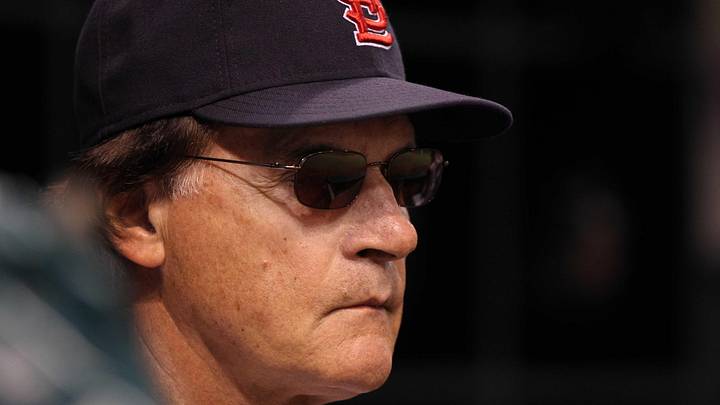
If you're not yet familiar with all of the fresh young faces in the St. Louis Cardinals dugout, it's time to hop on board. One of the youngest teams in baseball, the Cardinals are continuing to defy the odds, and even fans who checked out at the beginning of the season may be starting to believe.
Still, people shouldn't expect the Cardinals to compete for a championship the way they seemingly did nearly every year under manager Tony La Russa, and for those who are just now tuning back in, some of the names of the Cardinals starters may elicit blank stares. So to introduce this iteration of the Cardinals to fans who are nostalgic for the La Russa years of 1996 to 2011, let's compare the starting lineup to some players of old via their stats and playing styles.
Meet the current versions of these Cardinals from the hallowed La Russa seasons
2B JJ Wetherholt
Comparison: Édgar Renteria
JJ Wetherholt is a potential stud in the making as the Cardinals' primary leadoff hitter. The 2024 first-round pick has power at the middle infield spot, a discerning batting eye and superb defensive chops. It's tough to find a definite comparison to a rookie who hasn't even played half of a full major league season, but if Wetherholt keeps up anything resembling his current production, Cardinals fans can dream on him as the second coming of Édgar Renteria.
Although Renteria was mainly a shortstop, not a second baseman like Wetherholt now is, he is probably the strongest middle infield comparison to the Cardinals rookie. Renteria was a five-tool player in St. Louis from 1999 to 2004, a three-time Silver Slugger winner and a two-time Gold Glove recipient. Renteria's 71 home runs as a Cardinal placed him 11th among shortstops in that span, and Wetherholt's nine home runs rank him second in the league for players at the keystone.
Wetherholt doesn't jump off of the page in terms of batting average, but a low .259 BABIP suggests that more of his batted balls should find the grass as base hits as the season progresses. He looks to have more power and less stolen base acumen than Renteria did, and Wetherholt's propensity to get hit by pitches puts him more in lockstep with Fernando Viña than it does Renteria, but it would currently be a disservice to compare Wetherholt's hitting to the much lighter bat of Viña.
Renteria was a Cardinals fan favorite and was enshrined in the Cardinals Hall of Fame in 2025. Wetherholt has a long way to go to reach that lofty mark, but as a potential Rookie of the Year candidate, he's passed every test to this point in his budding career.
DH Iván Herrera
Comparison: Allen Craig
A little bit of grace is needed here. The National League didn't have the designated hitter when La Russa was managing the Cardinals, so we're not going by positions with this one. Iván Herrera was born to hit baseballs. His 91.5% zone contact rate places him 39th among qualified hitters in 2026, and his 8% swinging-strike rate is the best on the Cardinals.
That kind of patient, contact-driven profile matches that of Allen Craig, an outfielder-turned-first baseman for the Cardinals from 2011 to 2014. (Hey, he counts as a La Russa-era player!) Craig held a .291 average and an .803 OPS with a 90.4% zone contact rate during his days with the Cardinals, but in the clutch is where Herrera and Craig really shone.
Among hitters with at least 100 plate appearances from 2022 to 2026, Herrera leads the Cardinals with a .294 batting average with runners in scoring position. Craig, meanwhile, was out of this world in that stat. His career batting average with the Cardinals when there were runners in scoring position stands at an eye-popping .363. In his legendary 2013 season, Craig hit .454 in in 154 plate appearances in those situations — it's the fourth-best mark in history.
Craig's career ended far too soon after he tried to rush back from an injury to play in the 2013 postseason. The Cardinals are still placing Herrera in harness at times, but limiting his number of games behind the plate should help Herrera remain healthy and carve out the type of career that Craig looked to be on track to sculpting.
1B Alec Burleson
Comparison: Chris Duncan
A hitting maven, Alec Burleson likes to swing the bat, and he seems to make flush contact with everything. Given that description, one wouldn't think that Chris Duncan, a more patient hitter with less contact ability, would be a strong match, but in their best two-year stretches, Burleson and Duncan had similar hitting stat lines, and the comparisons don't stop there.
Duncan's peak seasons of 2006 and 2007 saw him with a .273 average and an .885 OPS. The latter stat was largely a result of his above-average walk rate, at 11.4%, compared with the league average of 8.5%. He accumulated 3.3 bWAR over that 217-game period. Unfortunately, back and neck injuries took their toll on Duncan, and he failed to approach those highs in 2008 and 2009, his final seasons in the major leagues.
For Burleson in 2025 and so far in 2026, he has a 3.4 bWAR and a .291 average with an .811 OPS. Within their two best years, Burleson and Duncan both sit at one win above average for position players, and Burleson has been 25 batting runs above average, while Duncan was at 23. Burleson doesn't provide the over-the-fence thump that Duncan did, nor does he work as many walks, but his 130 OPS+ is four points higher than Duncan's 126 thanks to Burleson's outstanding feel for contact.
In the outfield, neither was especially graceful. Prior to moving to first base, Burleson was 12 defensive runs saved below average in the outfield. Duncan dabbled at first base throughout his career, but he spent most of it in left field, where he struggled to the tune of 11 defensive runs saved below average. Overall, Burleson has already passed Duncan in career bWAR, at 4.0 compared with Duncan's 2.8. Expect that gap to widen as Burleson prospers in his role as one of the Cardinals' veteran leaders.
RF Jordan Walker
Comparison: Ryan Ludwick
It took longer than Cardinals fans had hoped, but Jordan Walker looks to be reaching his sky-high potential. After a solid rookie campaign followed by two seasons where he was among the worst hitters in baseball, Walker has put it all together under the tutelage of hitting coach Brant Brown and other members of the Cardinals staff.
One can't call Walker a "late bloomer" at just 24 years old, but for fans who expected him to hit the ground running, it felt like a lifetime for Walker to fulfill his promise. Ryan Ludwick knows a few things about not producing right away, as the 1999 second-round pick waded through five seasons of fringe major league production only to break out in 2007 with the Cardinals after signing as a free agent.
Walker is hitting .302 with a .966 OPS thus far, and in 2008, Ludwick's lone All-Star season, he hit .299 with an identical .966 OPS. Ludwick hit 37 home runs that year, and with Walker already sitting at 15 long balls, he has a strong chance to reach somewhere around that mark by season's end. On defense, Ludwick was an adequate right fielder, with a career six defensive runs saved. Walker has gone from being a liability at the position to now grading out as average in defensive runs saved, with five in 2026 so far, and his arm is among the best in baseball at throwing out runners.
Ludwick was already 28 when he signed with St. Louis and subsequently played the best baseball of his career, and because Walker is four years younger, he still has room to improve upon his already impressive 2026. During his time in St. Louis, Ludwick was a first-class complement to Albert Pujols, and while there is no version of Pujols on this iteration of the Cardinals, a career resembling an extended version of Ludwick's Cardinals tenure would be a resounding success.
LF Lars Nootbaar
Comparison: Colby Rasmus
In terms of their reputation among the Cardinals fanbase, Lars Nootbaar and Colby Rasmus are polar opposites. Nootbaar is (or at least was) seen as the heart of the Cardinals, and at its peak during the 2023 World Baseball Classic, "Noot mania" swept not only the Cardinals, not only the U.S., but the entire baseball world.
Rasmus, on the other hand, had a strained relationship with La Russa and was chided for not seeming to give full effort while playing. The animosity between the Cardinals and their former first-round pick deepened when Rasmus opted to receive hitting instruction from his dad instead of the Cardinals hitting coaches, and the Cardinals dealt Rasmus to the Toronto Blue Jays at the 2011 trade deadline.
Nootbaar was an unheralded eighth-round draft pick who found fame and glory later on. Rasmus was a first-round pick with expectations thrust upon him from the start. But when one puts all of these differences aside, the two have more in common than some may wish to admit. When Nootbaar is healthy, his game revolves around getting on base and occasionally flashing some power. His best attribute is his batting eye, which has allowed him to draw walks in more than 10% of his plate appearances in an era where the average walk rate is 8.4%. In 2010, Rasmus' best season with the birds on the bat, he had an excellent 11.8% walk rate. Overall, they were both well-rounded outfielders who reached base at an above-average clip with the Cardinals.
Just as injuries have created multiple "what if" scenarios in Nootbaar's career, one may wonder about what Rasmus could have achieved with the Cardinals had there been better communication between them. It's all water under the bridge now, as the Cardinals won the World Series after trading him, and Nootbaar also could be seeing his time in St. Louis draw to a close, as several teams around baseball still view him as a valuable asset who could help them win.
SS Masyn Winn
Comparison: Ozzie Smith
Some of these players required an ample amount of poking around Cardinals rosters of old to find matches for. Masyn Winn was not among them. As he ascended the rungs of the minor leagues, Winn displayed dazzling defense, and that continued unabated when he received his call to the majors. In 2024, his first full season, Winn had 14 defensive runs saved and frequently exhibited his 80-grade arm to nail unsuspecting baserunners. In 2025, Winn earned his first of what he hopes will be several Gold Gloves.
Ozzie Smith needs no introduction to what he accomplished in the field. Simply put, he's widely considered the greatest defensive shortstop of all time. At the plate, Smith evolved from a generally poor hitter with the San Diego Padres to a respectable one with the Cardinals, hitting .272 with a .694 OPS in his 15-year Cardinals career. His OPS+ was 93, slightly below the average of 100.
Winn performed above expectations at the dish in 2024, hitting .267 with 15 home runs, but he's seen a downturn in those numbers since then. The Cardinals are hoping that they can unlock more production in the batter's box in the same way Smith did upon his trade to St. Louis. Winn is holding a career-high walk rate of 8.7%, and he doesn't need to approach 15 home runs again to be valuable; if he can hit line drives to the gaps, it will be all the Cardinals need.
Winn's stated goal is to win at least half as many Gold Gloves as The Wizard did in his career, so he'll need to continue working with Smith in spring training and further honing his defensive craft to get to a lucky seven Gold Gloves. And although the award is more based on sabermetrics than it was in old days, Winn will still need to provide some offense to receive some respect and name recognition around the league to compete for the award annually.
3B Nolan Gorman
Comparison: Ron Gant
Baseball has undergone plenty of changes since La Russa managed the Cardinals, not least of which is the growing acceptance of the strikeout for hitters as long as they can do damage. Nolan Gorman is an extreme case of the whiff-happy hitter; his 33.4% strikeout rate is the highest among qualified Cardinals since...ever. Because of this philosophical shift around the sport, there were far fewer three-true-outcome hitters in the La Russa era, but Ron Gant stands out as an exception.
In his three years with the Cardinals from 1996 to 1998, Gant hit .238 and slugged .456 with a 23.5% strikeout rate while hitting 73 home runs. Although he began his career at second base and later moved to third base, Gant was strictly an outfielder by this point because of his defensive shortcomings on the dirt. Gorman spent most of his time in the minor leagues as a third baseman but moved to second base in deference to Nolan Arenado. With Arenado now in Arizona, Gorman is back at his familiar hot corner and has provided above-average defense there.
Gorman has hit .218 in his career with 80 home runs. The Cardinals saw Gorman, their first-round pick in 2018, as a hitter with light-tower power and, of course, a propensity to swing and miss, but after a 2023 season where he clubbed 27 home runs and slugged .478, back issues began to hobble him and eat away at his power. Injuries also wore away at Gant, particularly a broken leg in an ATV accident shortly after he signed a massive contract with the Atlanta Braves. He would miss the entire 1994 season and sign with the Cincinnati Reds as a free agent before signing with the Cardinals the next year.
Gorman may never match his stellar 2023 season, and although Gant finished fourth in Rookie of the Year voting in 1988 and made the All-Star team twice, one can also wonder if he could have had a much more memorable career had the ATV accident and subsequent injuries not placed a sizable dent in his time in baseball.
C Pedro Pagés
Comparison: Mike Matheny
With an all-time great in Yadier Molina eating up half of the La Russa seasons behind the plate, the pickings are relatively slim in regards to finding a strong comparison to the current starting catcher in Pedro Pagés. A likely "bridge" player as the Cardinals continue to develop their litany of promising catchers in the minor leagues, Pagés has provided solid defense with occasional pop at the plate, but his .230 batting average and .638 OPS in his career leave something to be desired.
Hitting wasn't Mike Matheny's forte either, as he hit .245 with a .644 OPS in his five seasons catching for the Cardinals, and his 67 OPS+ placed him far below what would be the acceptable threshold for a non-catcher. However, Matheny crafted his 13-year major league career through exceptional defense and strong game-calling. His 28.9 career defensive runs above average are second in Cardinals history for a catcher behind Yadier Molina (who sits at a cool 376.2 defensive runs above average), and Pagés places third on the list, at 23.2.
This season, Pagés ranks eighth in the major leagues in defensive runs above average among catchers who have played at least 200 innings, at 5.4. Pagés possesses a respectable arm that has thrown out 33.3% of attempted basestealers in 2026, although it's not at Matheny's nearly elite level; he nabbed 40.2% of base thieves in his Cardinals tenure. In addition to that, the Cardinals praise Pagés for his work with pitchers during game preparation.
Among catchers with at least 100 plate appearances, Pagés ranks 24th in batting average and 23rd in wRC+, but that's still favorable when compared with Matheny, who, from his stint as the Cardinals' starting catcher from 2000 to 2004, ranked dead last (14th) among catchers with at least 2,100 plate appearances in wRC+. Like Matheny, Pagés might not have the bat to project as a long-term starter with the Cardinals, especially as several highly touted young catchers are zooming through the team's farm system. Let's hope whoever takes Pagés' place in future seasons is as successful with the Cardinals as the one who grabbed the throne from Matheny.
CF Victor Scott
Comparison: Delino DeShields
One would think that a light-hitting speedster wouldn't be too hard to find comparisons for, but during the La Russa era, stolen base numbers were near their nadir in baseball, and guys who did their damage on the bases weren't valued the same way they were during "Whiteyball" in the 1980s when Vince Coleman ran wild. Now, with larger bases and the stolen base returning to the game, players like Victor Scott have a place within the sport once again, but it makes it difficult to find a suitable player to liken him to.
Scott swiped 34 bags in 2025, although he hit just .216 and had an OBP of .305. This season, after a promising start with his bunting exploits, Scott has just seven steals and has already been caught four times after being nabbed the same number of times for all of 2025.
Speed was also the top component of Delino DeShields' game, although his hitting was far superior to Scott's. In 1997 and 1998, DeShields' two seasons with the Cardinals, he hit a strong .293 and stole 81 bases in 105 attempts. Power wasn't the calling card for the fleet-footed DeShields, although he hit 11 home runs in 1997, which was the most of his career. More impressively, he led the major leagues with 14 triples.
DeShields spent most of his career at second base, but he did play the outfield at times with the Baltimore Orioles and Chicago Cubs after leaving St. Louis. He was a below-average defender regardless of position, whereas Scott doesn't have great instincts in center field but tends to make up for those shortcomings with his speed.
DeShields was a weapon from the leadoff spot with the Cardinals, but with the designated hitter now universal, Scott is likely to remain in the nine hole even if he discovers more of a hitting stroke. Accomplishing anything close to what DeShields did in St. Louis would be a massive improvement for Scott and would cement him as the center fielder of the present and future.
 Add us as a preferred source on Google