%20%20--%3E%0A%3Csvg%20version%3D%221.1%22%20xmlns%3D%22http%3A%2F%2Fwww.w3.org%2F2000%2Fsvg%22%20xmlns%3Axlink%3D%22http%3A%2F%2Fwww.w3.org%2F1999%2Fxlink%22%20x%3D%220px%22%20y%3D%220px%22%0A%09%20viewBox%3D%220%200%20991.1%20200%22%20style%3D%22enable-background%3Anew%200%200%20991.1%20200%3B%22%20xml%3Aspace%3D%22preserve%22%3E%0A%3Cstyle%20type%3D%22text%2Fcss%22%3E%0A%09.st0%7Bfill%3A%23231F20%3B%7D%0A%09.st1%7Bfill%3A%23C41E3A%3B%7D%0A%09.st2%7Bfill%3A%23FFFFFF%3B%7D%0A%09.st3%7Bopacity%3A0.2%3B%7D%0A%09.st4%7Bfill%3A%23A7A9AC%3B%7D%0A%09.st5%7Bfill%3A%23002A5C%3B%7D%0A%09.st6%7Bfill%3A%23808080%3B%7D%0A%3C%2Fstyle%3E%0A%3Cg%20id%3D%22Template%22%3E%0A%3C%2Fg%3E%0A%3Cg%20id%3D%22Layer_2%22%3E%0A%09%3Cg%3E%0A%09%09%3Cpath%20class%3D%22st2%22%20d%3D%22M124.1%2C143.5c-2.6-5.9-2.8-15-3.9-24.5c-0.3-2.8-2.3-14.5-7.9-20.6c-5.5-6.1-12.5-8.6-13.6-9.2%0A%09%09%09c10-3.7%2C16-8.4%2C19.9-15.6c6.5-12.8%2C7.2-26.8-5-38.9c-3-3-7.5-5.3-13.4-7.3c-22.6-7.9-61.5%2C2.5-82.1-4.4c-6.5-2.2-7.8-7-8.6-10.6%0A%09%09%09c-0.6-3.4-5.1-0.6-6.9%2C2C0.1%2C18.8-3%2C27.8%2C6.2%2C34.4c11.1%2C7.8%2C46.3%2C4.4%2C68.2%2C4.7c23.7%2C0.3%2C27.4%2C18.4%2C18.4%2C34.7%0A%09%09%09c-7%2C12.3-23.2%2C11.4-25.9%2C10.6C68%2C80.6%2C76.1%2C56%2C77%2C52.8c1.7-5.5-2.3-9.5-6.9-8.3c-6.1%2C2-5%2C4.8-24.8%2C9.8c-6.7%2C1.7-3.6%2C5.6-1.7%2C9.2%0A%09%09%09c0.6%2C1.1%2C0.5%2C3.3%2C0%2C5.4c-0.3%2C1.2-13.9%2C47.8-17.9%2C60c-1.2%2C3.6-3.3%2C4.5-5.8%2C6.4c-5.6%2C3.9-6.7%2C9.5%2C0.8%2C9.5c11.8-0.2%2C22.7%2C0%2C33.8%2C0%0A%09%09%09c3%2C0%2C5-1.4%2C5.1-4.4c0-5.1-6.1-5.1-6.2-8.1c2.3-9.3%2C6.7-26.6%2C9.5-35.7c8.6-0.6%2C15.3%2C1.4%2C19.8%2C4.7c5.6%2C4%2C6.2%2C12.5%2C6.5%2C15.7%0A%09%09%09c0.9%2C10.9%2C1.6%2C26.2%2C4.5%2C34.6c2%2C5.6%2C5.1%2C11.1%2C10.1%2C13.7c12.8%2C6.7%2C28.8%2C1.2%2C34.3-2.2c4.2-2.3%2C5.5-5.5%2C3.9-8.3%0A%09%09%09C140.2%2C151.5%2C130.1%2C156.9%2C124.1%2C143.5z%22%2F%3E%0A%09%09%3Cpath%20class%3D%22st2%22%20d%3D%22M380.3%2C65.7c6.4%2C0%2C12.1-4.8%2C12.9-10.9c0.9-6.2-3.6-11.1-9.8-11.1c-6.4%2C0-12.1%2C4.8-13.1%2C11.1%0A%09%09%09C369.5%2C60.8%2C373.9%2C65.7%2C380.3%2C65.7z%22%2F%3E%0A%09%09%3Cpath%20class%3D%22st2%22%20d%3D%22M551%2C104.8c2-4.7-2.8-8.5-7.2-8.2c-3.7%2C0.3-7.5%2C2.2-7.8%2C7.9c0%2C1.8%2C0.4%2C3.2%2C1.1%2C4.5%0A%09%09%09c-3.6%2C7.7-7.8%2C17.3-14.1%2C16.6c-5.3-0.6-0.8-13.6-0.8-13.6c2.6-8.3%2C17.3-51.9%2C22.9-69.5c1.4-4.5-2-7.9-5.8-6.9%0A%09%09%09c-2.8%2C0.9-5%2C3-8.3%2C4.4c-4.2%2C1.9-8.3%2C2.6-12.5%2C3.9c-5.3%2C1.6-3%2C4.7-1.4%2C7.6c0.8%2C1.6%2C0%2C5.3-0.8%2C7.9c-4.7%2C13.6-10.6%2C30.1-14.8%2C41.7%0A%09%09%09c-1.6%2C4-6.9%2C20.1-7.5%2C21.6c-8.1%2C20.4-17.3%2C10.1-16.2-1.7c0.3-4.7%2C1.1-10.3%2C3.1-15.9c5-14.8%2C9.8-20.2%2C16-20.4%0A%09%09%09c0.9%2C1.4%2C2.3%2C2.3%2C4%2C2.3c2.6%2C0%2C4.7-2.2%2C4.8-4.8c0.3-3.6-2.6-7-12.5-6.2c-16.8%2C1.2-33.8%2C15-38.9%2C33c-3.6%2C7.9-7.8%2C17.4-14.2%2C16.7%0A%09%09%09c-5.1-0.6-0.8-13.5-0.8-13.5c0.6-1.7%2C3-10.9%2C3.7-14.5c2.5-10.3%2C0-19.9-7.9-21.5c-4-0.8-7.9%2C1.1-13.4%2C0.3c0.6-1.9%2C1.1-3.4%2C1.1-5.5%0A%09%09%09c0-7.2-5.3-12-12-12c-6.5%2C0-12%2C5.4-12%2C12c0%2C3.9%2C1.9%2C7.5%2C4.8%2C9.7c0.5%2C8.9-7.2%2C24.1-10.6%2C31.3c-0.3%2C0.6-0.5%2C1.2-0.6%2C1.7%0A%09%09%09c-3.1%2C6.2-6.9%2C12.3-12.1%2C12.8c-1.4%2C0-2.5-0.3-3.4-1.4c-1.1-1.2-1.6-4.5%2C1.1-13.1c4-12.8%2C8.1-23.2%2C9.3-25.7c2.8-5.6%2C4.4-6.4%2C4.7-9%0A%09%09%09c0.3-1.9-0.9-3.1-1.9-3.3c-3.1-0.8-4.8%2C1.4-9%2C2.2c-5.3%2C0.9-14-1.2-14.5%2C2c-0.8%2C5.3-2.2%2C9.5-4.8%2C16.5c-1.7%2C4.8-5.6%2C15.1-7%2C19%0A%09%09%09c-2.2%2C4.1-5.3%2C8.5-9.5%2C12c-1.7%2C1.4-5.8%2C3.9-8.6%2C3c5-4.8%2C7.5-8.9%2C10.3-15c3.3-7.2%2C5.1-14.8%2C3.7-22.7c-1.2-7.8-8.6-15-17.6-15.4%0A%09%09%09c-5-0.3-10.1%2C0.5-15.3%2C0.9c5-15%2C9-27.7%2C10.9-33.5c1.4-4.5-2-8.1-5.8-7c-3.7%2C1.1-6.1%2C3.7-11.5%2C5.8c-3.3%2C1.2-6.4%2C1.9-9.2%2C2.6%0A%09%09%09c-5.5%2C1.4-3.1%2C4.7-1.6%2C7.8c0.9%2C1.6%2C0.2%2C5.3-0.6%2C7.9c-2.8%2C8.1-8.9%2C25.9-14.8%2C43.3c-0.5%2C1-1.2%2C2.5-2.2%2C4.5%0A%09%09%09c-3.7%2C7.8-7.9%2C18.2-14.5%2C17.4c-5.3-0.6-0.8-13.6-0.8-13.6c2.6-8.3%2C17.3-51.9%2C22.9-69.5c1.4-4.5-2-7.9-5.8-6.9%0A%09%09%09c-2.8%2C0.9-5%2C3-8.3%2C4.4c-4.2%2C1.9-8.3%2C2.6-12.5%2C3.9c-5.3%2C1.6-3%2C4.7-1.4%2C7.6c0.8%2C1.6%2C0%2C5.3-0.8%2C7.9c-4.7%2C13.6-10.6%2C30.1-14.8%2C41.7%0A%09%09%09c-1.6%2C4-6.9%2C20.1-7.5%2C21.6c-8.1%2C20.4-17.3%2C10.1-16.2-1.7c0.3-4.7%2C1.1-10.3%2C3.1-15.9c5-14.8%2C9.8-20.2%2C16-20.4%0A%09%09%09c0.9%2C1.4%2C2.3%2C2.3%2C4%2C2.3c2.6%2C0%2C4.7-2.2%2C4.8-4.8c0.3-3.6-2.6-7-12.5-6.2c-16.1%2C1.2-32.4%2C13.9-38.2%2C30.8c-0.9%2C1.4-2%2C2.8-3.2%2C4.2%0A%09%09%09c-4.4%2C5.3-14.6%2C15.4-28.8%2C14.8c-4-0.2-6.9-2.5-8.6-5.5c8.6-3.3%2C27.4-11.1%2C34.3-22.1c7.5-11.7%2C1.6-23.8-15.7-23%0A%09%09%09c-23.4%2C1.1-41.9%2C20.4-44.7%2C38.3c-2.8%2C18.1%2C4.5%2C31.1%2C23.5%2C31.1c10%2C0%2C18.7-2.6%2C26.5-7.2c5.6-3.3%2C10.8-7.3%2C15.3-11.9%0A%09%09%09c1%2C4.4%2C3.1%2C8.3%2C6.2%2C11.4c11.4%2C11.7%2C29.1%2C6.9%2C36-1.6c0.3%2C0.8%2C0.6%2C1.4%2C1.1%2C1.9c5.4%2C7.4%2C17.5%2C10.1%2C30.8%2C0.6c-0.9%2C3.3%2C1.5%2C6.7%2C5%2C6.7%0A%09%09%09c4.4%2C0%2C9.7%2C0%2C13.1%2C0c2%2C0%2C3.7-1.1%2C4.7-2.8c3%2C1.6%2C6.7%2C3%2C11.5%2C2.8c4.4-0.2%2C6.9-1.2%2C10.3-2.6c12.5%2C6.3%2C25%2C0.3%2C34.4-8.2%0A%09%09%09c0.5%2C2.1%2C1.1%2C3.6%2C1.8%2C4.5c7.3%2C10%2C26.2%2C11.5%2C44.1-12.8c5.2-7.1%2C6.6-10.8%2C8.2-14.6c3.2-6%2C6.2-12.9%2C11.2-25c2.3%2C0.5%2C6.7%2C0.2%2C3.9%2C7.2%0A%09%09%09c-4.4%2C11.5-7.5%2C21.3-7.6%2C21.3c-1.2%2C4.4-2.2%2C11.1-2.2%2C13.1c-0.2%2C5.1%2C1.2%2C8.4%2C2.3%2C10.1c6.7%2C9.2%2C23.6%2C11.1%2C40.5-8.3%0A%09%09%09c1.2%2C2.9%2C2.8%2C5.5%2C5%2C7.7c11.4%2C11.7%2C29.1%2C6.9%2C36-1.6c0.3%2C0.8%2C0.6%2C1.4%2C1.1%2C1.9c7.2%2C9.8%2C26%2C11.4%2C43.9-12.8c1.4-1.9%2C2.6-3.6%2C3.5-5.1%0A%09%09%09c1.1%2C2.5%2C1.8%2C5%2C2.1%2C7.5c2.6%2C20.1-18.2%2C39.9-45.9%2C39.9c-28.2%2C0-251.5-18.4-294-9.3c-5.6%2C1.2-28.7%2C5.9-29.3%2C24%0A%09%09%09c-0.5%2C10.1%2C8.3%2C17.6%2C18.4%2C18.4c17.4%2C1.2%2C22.4-14.2%2C41.1-19.6c33.8-9.7%2C238%2C1.9%2C263.2%2C1.9c34.1%2C0%2C58.1-21.5%2C58.1-50.6%0A%09%09%09c0-10.3-3.2-20.9-7.6-25.2C550.9%2C105.9%2C551%2C105.3%2C551%2C104.8z%20M169.7%2C87.3c5.3-3.9%2C12.1-4.1%2C12.3%2C1.2c0.3%2C10.6-15.3%2C19.2-23.5%2C23%0A%09%09%09C158.2%2C103.8%2C160.8%2C93.6%2C169.7%2C87.3z%20M323%2C115c-0.6-0.2-1.4-0.2-2-0.2c-6.7%2C0-12.1%2C5.5-12.1%2C12.1c0%2C3.9%2C1.2%2C6.1%2C2.2%2C7.8%0A%09%09%09c-1.9%2C0.9-4%2C1.2-6.2%2C0c-1.7-1.4-3.4-2.5-3.1-7c3.7-11.4%2C8.6-26.3%2C13.2-40.8c0.9-1.1%2C2-2.2%2C3-3.1c3.1-2.6%2C12.1-2.8%2C11.7%2C7.8%0A%09%09%09C328.7%2C99.9%2C326.1%2C107.6%2C323%2C115z%22%2F%3E%0A%09%09%3Cpath%20class%3D%22st2%22%20d%3D%22M675.2%2C143.5c-2.6-5.9-2.8-15-3.9-24.5c-0.3-2.8-2.3-14.5-7.9-20.6c-5.5-6.1-12.5-8.6-13.6-9.2%0A%09%09%09c10-3.7%2C16-8.4%2C19.9-15.6c6.5-12.8%2C7.2-26.8-5-38.9c-3-3-7.5-5.3-13.4-7.3c-22.6-7.9-61.5%2C2.5-82.1-4.4c-6.5-2.2-7.8-7-8.6-10.6%0A%09%09%09c-0.6-3.4-5.1-0.6-6.9%2C2c-2.6%2C4.2-5.8%2C13.2%2C3.4%2C19.8c11.1%2C7.8%2C46.3%2C4.4%2C68.2%2C4.7c23.7%2C0.3%2C27.4%2C18.4%2C18.4%2C34.7%0A%09%09%09c-7%2C12.3-23.2%2C11.4-25.9%2C10.6c1.1-3.7%2C9.2-28.3%2C10.1-31.6c1.7-5.5-2.3-9.5-6.9-8.3c-6.1%2C2-5%2C4.8-24.8%2C9.8%0A%09%09%09c-6.7%2C1.7-3.6%2C5.6-1.7%2C9.2c0.6%2C1.1%2C0.5%2C3.3%2C0%2C5.4c-0.3%2C1.2-13.9%2C47.8-17.9%2C60c-1.2%2C3.6-3.3%2C4.5-5.8%2C6.4c-5.6%2C3.9-6.7%2C9.5%2C0.8%2C9.5%0A%09%09%09c11.8-0.2%2C22.7%2C0%2C33.8%2C0c3%2C0%2C5-1.4%2C5.1-4.4c0-5.1-6.1-5.1-6.2-8.1c2.3-9.3%2C6.7-26.6%2C9.5-35.7c8.6-0.6%2C15.3%2C1.4%2C19.8%2C4.7%0A%09%09%09c5.6%2C4%2C6.2%2C12.5%2C6.5%2C15.7c0.9%2C10.9%2C1.6%2C26.2%2C4.5%2C34.6c2%2C5.6%2C5.1%2C11.1%2C10.1%2C13.7c12.8%2C6.7%2C28.8%2C1.2%2C34.3-2.2%0A%09%09%09c4.2-2.3%2C5.5-5.5%2C3.9-8.3C691.4%2C151.5%2C681.3%2C156.9%2C675.2%2C143.5z%22%2F%3E%0A%09%09%3Cpath%20class%3D%22st2%22%20d%3D%22M987%2C47c-4-10.1-10.9-21-27.7-31.5c-9-5.6-20.4-8.3-30.7-9.3C888%2C2%2C846.5%2C23.6%2C810.2%2C30.6%0A%09%09%09c-9.7%2C1.9-29.7%2C0.6-31.1-12c-0.8-5.3-1.6-10.9-5-14.5c-4.8-5.1-15.4-5.8-22.4-0.5c-15.9%2C11.7-5.8%2C34.3%2C10.6%2C43.8%0A%09%09%09c13.9%2C7.9%2C30.5%2C6.9%2C42.5%2C4.7C851%2C43.6%2C887%2C17.2%2C929.5%2C20.8c52.6%2C4.5%2C60%2C65.9%2C27.3%2C95.9c-1.7%2C1.6-3.6%2C3.1-5.5%2C4.5%0A%09%09%09c-0.6-6.2-5-12.6-12.9-17.6c-2.8-1.9-5.9-3.6-8.6-5.3c-3.4-2.2-4.5-5.8-3.6-10c1.6-7.3%2C13.4-6.5%2C15.4-3.3%0A%09%09%09c-2.6%2C1.7-5.6%2C4.8-5.8%2C8.3c-0.2%2C5.6%2C4.2%2C10.4%2C9.8%2C10.6c9.8%2C0%2C14.2-10%2C11.1-17.9c-3.4-8.7-13.1-11.8-22.3-12.1%0A%09%09%09c-8.9-0.3-17.9%2C1.4-25.9%2C6.4c-7.2%2C4.5-10.3%2C10.7-10.9%2C17.1c-0.1%2C1-0.1%2C1.9%2C0%2C2.8c-0.5%2C0.4-1%2C1-1.4%2C1.5c-0.6%2C1.1-2.3%2C4.4-6.7%2C9.8%0A%09%09%09c-5%2C6.1-13.1%2C15.6-18.8%2C13.5c-2.3-0.8-3.9-3.3-1.4-12.1c0.3-1.1%2C5.3-15%2C10.6-29.9c6.2%2C0.2%2C10.9%2C0.2%2C10.9%2C0.2c1.4%2C0%2C2.6-0.8%2C3.3-2%0A%09%09%09l1.2-2.8c0.9-2.3-0.6-4.8-3.1-4.8l-9%2C0.2c1.4-3.9%2C3.9-11.1%2C3.9-11.1c0.3-1.1%2C0.6-2%2C0.9-3c1.4-4.5-2.3-7.9-6.1-6.9%0A%09%09%09c-2.5%2C0.9-8.7%2C8.4-16.5%2C13.7c-7.2%2C5-15.6%2C7.5-17.3%2C9.2c-1.1%2C1.2-1.4%2C3-1.2%2C4c0.5%2C3%2C3.9%2C3.3%2C9%2C3.3c-2.9%2C7.9-5.8%2C15.6-7.9%2C21.3%0A%09%09%09c-4.2%2C7.9-8.9%2C23.2-16.7%2C22.2c-3.1-0.3-3-4.7-2.2-8.4c0.5-2.8%2C4.5-15.1%2C4.7-22.1c0.2-8.7-5.8-18.8-18.1-19.3%0A%09%09%09c-5-0.2-9.3%2C2.2-13.2%2C5.3c1.2-1.9%2C1.9-2.8%2C2.2-4.5c0.2-1.7-1.1-3.1-2-3.3c-3-0.8-4.8%2C1.6-8.9%2C2.2c-5.3%2C0.9-14-1.1-14.6%2C2.2%0A%09%09%09c-0.8%2C5.1-2.2%2C9.5-4.8%2C16.5c-2.2%2C6.1-4.4%2C12-6.5%2C17.8c-3.1%2C6.2-7%2C12.3-12.3%2C12.7c-1.2%2C0.2-2.3-0.3-3.3-1.2%0A%09%09%09c-1.1-1.2-1.6-4.5%2C1.1-13.1c3.9-12.8%2C8.1-23.2%2C9.3-25.7c2.8-5.6%2C4.4-6.5%2C4.7-9c0.3-1.9-0.9-3.1-2-3.4c-3-0.6-4.7%2C1.6-8.9%2C2.2%0A%09%09%09c-5.3%2C0.9-14-1.1-14.5%2C2.2c-0.8%2C5.3-2.5%2C9.5-4.8%2C16.5c-6.9%2C20.1-9.2%2C25.5-9.8%2C27.4c-8.3%2C20.6-18.2%2C13.1-17-0.3%0A%09%09%09c0.5-4.7%2C1.2-10.4%2C3.1-16.2c5.1-15%2C10-20.4%2C16.2-20.6c2.3%2C4%2C8.7%2C2.6%2C9-2.3c0.2-3.7-2.8-7.3-12.6-6.5C709%2C76.7%2C692%2C90.9%2C687%2C109.6%0A%09%09%09c-3.1%2C11.2-0.9%2C21.2%2C5.5%2C27.7c11.5%2C12%2C29.1%2C6.9%2C36.1-1.7c3.1%2C7.8%2C15.7%2C13.3%2C30.6%2C3.6c-0.2%2C2.9%2C2.2%2C5.6%2C5.3%2C5.6h13.1%0A%09%09%09c2.2%2C0%2C4.2-1.6%2C5-3.7c5-13.9%2C8.7-26.2%2C14-38.8c1.7-4%2C4.2-8.4%2C6.1-11.1c4.8-6.7%2C13.9-9%2C9.8%2C3.7c-6.5%2C20.7-12.8%2C35.5-7%2C43.6%0A%09%09%09c6.5%2C8.8%2C22.1%2C10.9%2C38-5.6c0.6%2C2.1%2C1.3%2C3.7%2C2%2C4.6c7.2%2C10%2C25.9%2C10.9%2C46.4-12.5c5.5-6.1%2C8.9-11.2%2C10.9-15.1%0A%09%09%09c7.6%2C8.2%2C21.2%2C13.6%2C21.5%2C19.3c0.2%2C3.7-1.4%2C6.1-4.2%2C6.9c-3.4%2C0.9-5.9-0.3-6.9-3.9c-0.6-2.2-1.7-6.5-5.8-9%0A%09%09%09c-3.1-1.9-11.5-2.6-14.6%2C5.6c-1.6%2C7.3%2C3.1%2C12.3%2C9.2%2C14.3c7.5%2C2.3%2C16.8%2C2.3%2C17.9%2C2.3c6.1%2C0.2%2C11.7-0.2%2C17.1-1.4%0A%09%09%09c10.6-2.3%2C21.8-8.4%2C28.8-14.6c10.4-9.3%2C18.4-26%2C20.6-32.9C991.8%2C80.6%2C993.2%2C63.5%2C987%2C47z%22%2F%3E%0A%09%3C%2Fg%3E%0A%3C%2Fg%3E%0A%3C%2Fsvg%3E%0A)

I was born into a St. Louis Cardinals family. Baseball was more than a hobby growing up in my household–it was a way to bond, spanning generations that touched the hearts of so many.
Coincidentally, I was born the same year the St. Louis Cardinals won the World Series (I’m 20, do the math), and growing up, success felt like a guarantee.
Between names like Albert Pujols, Yadier Molina, Adam Wainwright, Matt Carpenter, Matt Holliday (my favorite player as a kid), Carlos Beltran, and Jim Edmonds, the Redbirds were in very capable hands–and I took it for granted.
When the Cardinals won the World Series in 2011, I was five years old. Rather than relish it as the early deliverance from what would be my lifelong passion, I was preoccupied. With what? Legos, Playmobil, the park, or maybe just a big stick. Baseball–although often played in the backyard–was just one of my many hobbies.
I first got into watching baseball in 2018. That season, the Cardinals moved on from manager Mike Matheny mid-year, and Mike Shildt led the team to a 41-28 record the rest of the way.
That team had enough character for a musical. Prime Miles Mikolas, C-Mart, John Gant, and a young Jack Flaherty paved the way for the rotation. Kolten Wong, Marcell Ozuna, and Paul DeJong held it down in the lineup, and the bullpen was fortified by John Brebbia, Jordan Hicks, and none other than Daniel Ponce De Leon.
It was an interesting time, to say the least. What made it even more interesting was that despite a very good 88-74 record, the Redbirds finished third in the NL Central and missed the playoffs.
I remember being baffled. My Cardinals…missed the playoffs? Sometimes, now, it’s crazy to realize how spoiled I really was. An 88-win season, full of fun moments, players, and energy. All I cared about was winning the last game. Of course, they’d done so the year prior, but as I said, it was no concern to me until the ‘18 season.
Following 2018? Four years of attention-grabbing success. The most memorable moments were The Run of ‘21 (™Danny Mac), Jack Flaherty’s second half in 2019, Yadi & Waino setting the battery record, GoldNado, Ryan Helsley’s electrifying 49-save season, Tyler O’Neill’s September to remember, Paul Goldschmidt’s MVP season (my favorite player ever), the big three walking off for the last time together, and of course, 700.
During the chase for 700, I was lucky enough to attend the Cardinals/D-Backs game where Albert Pujols swatted two mammoth blasts off Madison Bumgarner. I went with my dad, and I remember us double high-fiving right after the crack of the bat. We didn’t even have to watch to make sure it left the yard. That’s The Machine for ‘ya.
There were tons of moments during those years where it felt like October baseball was printed on Cardinal calendars, and the regular season was more of a prerequisite for baseball heaven.
Fans poured into Busch Stadium, eager to see the newest rendition of a culture that spanned decades, back to Branch Rickey’s invention of the farm system that first set St. Louis apart.
Then, it all came to a screeching halt. (2023)
The Cardinals stopped playing like the Cardinals. And the best fans in baseball, after decades of success, felt betrayed.
Fast forward to 2025, and St. Louis, for the first time in my lifetime and many others, went through a major organizational change.
I wasn’t used to change or losing, but it’s turned out better than I, or anyone else, could’ve ever hoped for.
The St. Louis Cardinals are becoming
The name Chaim Bloom rang in my ears during 2025–like an earworm that I couldn’t get to go away. Nobody knew what to expect. His track record was a hodgepodge of differing opinions, to say the least, and the last thing the Cardinals needed was to fire off another blank.
Because that’s all 2023-2025 was: a big fat blank.
Fans granted patience, stayed loyal, and wore the Birds on the Bat proudly, and it amounted to little success. Prospects faltered, win totals plummeted, and attendance followed. Soon, my once October-locked Redbirds had drifted into no-man’s land–and some guy named Bloom was supposed to save them.
It usually isn’t the best PR tactic to sell off a team’s four biggest names right after taking the helm, but that’s exactly what the new POBO did.
Brendan Donovan, Nolan Arenado, Willson Contreras, and Sonny Gray all headed for the hills. All that returned was a heap of unrefined talent, and by now, Cardinal fans had been taught not to trust their faltering prospect pipeline.
The Redbirds entered 2026 with some sportsbooks setting their line as low as 69.5 wins. That would’ve been easily the worst season of my lifetime. My dad constantly reminded me: “Pssh, you should’ve seen them in the early 80s.”
Was this my early 80s? I sure hoped not.
The Cardinals entered the 2026 season as a team full of underdogs, grit, and tenacity. All of which were built through exemplary displays of “getting back up again.”
They kept getting knocked down, and they just wouldn’t quit–all of ‘em.
It starts with the manager. Oliver Marmol.
His overall performance as manager for the St. Louis Cardinals has been in question for some time, as his teams have never quite crossed legitimate World Series contention. But was that his fault?
Fans certainly thought so–and still do. Marmol has been scapegoated for a broken system. He managed teams with rotations built for batting practice, lineups with little to no depth, and bullpens that weren’t built to begin with.
I’m no Whitey Herzog, but I can recognize when a team lacks not only the experience but the talent to compete in modern playoff baseball, and Marmol’s been dealt an awful lot of dead hands.
That’s your underdog number one.
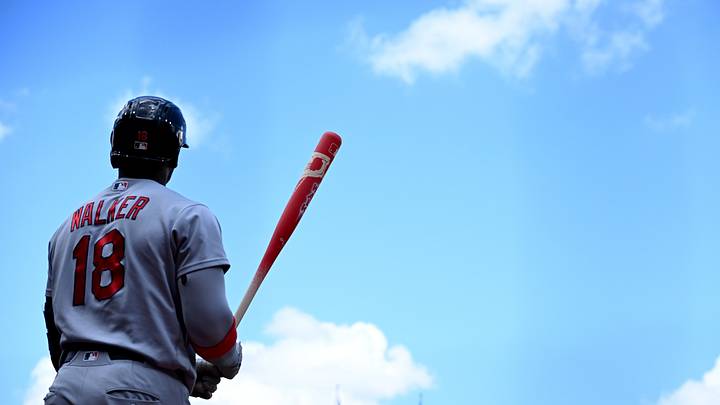
Then, there’s the story of Jordan Walker. One I hope to tell to my children before bedtime one day, as I’m sure, family or not, I’ll be reminiscing.
Walker’s rookie year was exciting. He broke onto the scene after The Machine and Yadi called it a career as brothers. J-Dub was supposed to be the new face of Busch Stadium. The one you’d see on the pre-game show, pitted against the visiting team’s star–highlights droning on and on, J-bomb after J-bomb.
To kick things off, Walker managed a bleak -0.1 bWAR in his rookie campaign, largely due to awful defense and a lack of power. That’s when the Cardinals started toying with him.
They sent him down, called him back up, told him anything they could to try and make something click. It was all for naught–like a puzzle with a missing piece (it was under the couch the entire time).
I was lucky enough to play baseball through college, and although I’ll never understand the game like someone who made it to The Show, I’ll tell you this: Too much information is poison. And that’s exactly what Walker was: poisoned.
His swing was out of whack, and he barely looked like the same kid who debuted by his third season. You know how The Grinch’s heart grew three sizes that day? Some say Walker aged ten years between his rookie season and 2025.
But nothing can stop a man who believes in himself. Nothing could hold Walker back from the success he was destined for. Through rigorous training, swing design, approach adjustments, and defensive work, the real Jordan Walker debuted in 2026.
There were a couple of home runs to start, then some outfield assists. Ooooh, sprint speed? Five tools? Wait.
Walker snuck up on baseball as it once did him. He entered the professional side of the game out of high school, just a wide-eyed kid, hoping to make his dreams a reality.
He graduated from minor league baseball and earned a label: “Savior.” He didn’t ask for it. He didn’t deserve that kind of pressure in such a prolific baseball town, but he sure tried.
The kid showed up, day in and day out, and fought through all the cries from provoked fans. Those fans weren’t really mad at Walker–they just wanted their Birds to win. And for some reason, a 21-year-old kid became synonymous with winning. He became the formula before even knowing himself as a player, and it snuck up on him.
But now, he’s played these games before. Walker recalibrated, rediscovered, and relaunched. His counterattack on Major League Baseball is one of the more entrancing chapters of recent Cardinal memory.
The cherry on top: a Home Run Derby championship, cemented the year of J-Walk. With that smooth-as-silk one-handed finish that I tried to emulate when I played (I couldn’t figure it out), Walker robbed Philly fans of their Derby dreams, and embraced his lovely family on national television–while thousands of Cardinal fans did the same.
I watched in my room on my computer, between writing articles. Whenever Jordan stepped to the plate, I’d flip back to the tab. I remember the moment distinctly.
After home run legend Kyle Schwarber put together a seemingly unbeatable round, my modern Cardinal cynicism took over. “Well, it was fun while it lasted,” I said to myself as I clicked back to FanGraphs.
I was proud of Walker, what he’d accomplished, how far he’d come. But, in the famous words of Brad Pitt from Moneyball, “Nobody cares.”
I wanted other people to care. I wanted other people to bestow upon that kid the crown he deserved–even if I’d been critical during his skid, too.
And so I stopped myself, and I said, “No. This isn’t over. It can’t be.” And I switched tabs.
That’s one of the greatest decisions I’ve ever made.
Beyond Walker’s Cardinal Chronicles is the rise of a new franchise face, JJ Wetherholt.
When I heard that the Cardinals had a first-round draft pick raking in the minor leagues, I wasn’t all that excited. I’d seen Dylan Carlson, Harrison Bader, Andrew Knizner, and so many others turn rotten at the sight of big-league pitching–my expectations felt permanently tempered.
Then, in my dorm room in Surprise, Arizona, I watched that kid take the field. Sure, I’d seen Wetherholt in Spring, but those stats don’t matter. Just ask Nelson Velazquez.
When I saw the smile on JJ Wetherholt’s face, and the Clydesdales running in circles around Busch Stadium, and the legends from different Eras of Cardinal baseball waiting to greet the new kid with a swing like gold–it just felt different.
And from then on, it was.
Wetherholt opened his career with an opening day laser. He took a pitch two baseballs off the plate and poked it about 420 feet to Freese’s lawn.
In the following weeks, he established himself as an on-base machine at the top of the Cardinals’ lineup and a force to be reckoned with in clutch situations. Wetherholt’s homecoming bomb at PNC Park was one of my favorite moments this year. In front of a bona fide fan club, Wetherholt delivered. He came up big, turned and burned, and smacked a home run that enabled an improbable win–deep into the Pennsylvania night, surrounded by family, friends, and teammates of old.
Beyond the bat, Wetherholt’s defense and baserunning have me seeing red Glimpses of old Cardinal greats who first put in place the great culture that has netted 100 Gold Gloves in team history. The essence of “Whitey Ball” that led the Redbirds through a dark tunnel, to light on the other side. It’s all infused in Wetherholt, and he plays like an old-school gamer who found a way to keep up with the times.
But by far, my favorite thing about JJ Wetherholt is his legendary left-handed swing. With that little twitch to get his hands in the slot–and then his forward move as he stretches the knob back toward the catcher to create separation. Then a controlled, yet violent turn that keeps his barrel in the zone long enough to run into anything.
It’s one of my favorite swings in recent memory. And he’s already used it to pack my mind with highlights.
The Cardinals must've been as high on Wetherholt as I am, because on July 10, they inked the up-and-comer to a long-term extension that'll see him through the next eight years. I've never seen a deal like that in my Redbird lifetime.
On a per-case basis, the Cardinals have given fans some timeless memories, in what was all but promised to be a barn-burner season.
Dustin May, the rare problem child of a prestigious Dodgers’ organization, came to St. Louis for a fresh start. Red hair, Redbirds, red-hot. That pretty much sums up May’s Cardinal career.
After two treacherous outings to kick off his season, May “locked in” and helped solidify a questionable rotation.
His near-no-hitter was a sight to behold. Against a wailing Padres’ lineup, the always fervent May led his team to victory, only surrendering one lonely hit to future Hall of Famer Manny Machado–a dribbler through the left side. 9 innings, 9 hot dogs, 9 beers, 1 hit. That’s the challenge, right?
Alas, the righty was dealt in a package deal to the Brewers, alongside long-time lefty JoJo Romero, for a return that’s as exciting for Cardinals’ fans as it was polarizing in Wisconsin.
After selling Romero, May, and fan favorite Lars Nootbaar, hope was scarce in St. Louis. Fans still clung to the third Wild Card spot, but it was fading fast.
In the midst of a Cardinal collapse, a young man made his debut at Wrigley Field–and I’ll never forget it.
I woke up that morning, in my new apartment, at a new school–and I needed groceries. So naturally, I showered, got dressed, and went to Walmart with my roommate.
While at Walmart, I got a text from my Dad: “BAEZ ON THE FIRST PITCH!!”
I had totally forgotten about the Cardinals game (out of character, I must say). I pulled up the highlight on social media and pranced around Walmart like a whimsical kid who just got the A-O-K to buy a toy.
On my drive home, he hit another. This time to left field, and after battling back from 0-2 to 3-2–a legendary at-bat.
I hustled to my apartment, unloaded my groceries, and ducked away into my room–logging into my MLB.tv account ASAP.
As I lay down in bed, with the game on, Baez was due up next inning. He’d already tied Keith McDonald for consecutive PAs to kickstart a career with long balls, but nobody had ever hit a third.
There was that feeling again–this little itch. I felt it while watching Walker’s Home Run Derby win, and I was feeling it again. Something inside of me was saying: “You better watch, or you’re gonna miss history.” And so I did.
I watched. I watched as Joshua Baez leaned over the plate, saw a backdoor slider all the way in, and lined it toward that stupid Wrigley basket (this time I loved it, though).
I watched as fans raised their arms in unison, anticipating the never-before-seen.
I watched that ball clear the ivy, go over the basket, and bounce right by a group of Cubs fans in the front row–ending up right in a Cardinal fan's lap. How about that?
And I listened to Chip Caray and Brad Thompson voice the collective awe as best they could. Caray’s: “IT IS GONE! IT IS GONE! IT IS GONE!” rang in my room, and I jumped around like a fool, because that’s what you do when you see something nobody will ever see again.
I’ve watched the Cardinals all my life, and if you’re reading this, you probably have too. In that time, they’ve created countless memories for me and my loved ones to share.
That is why I’m coming to this team’s defense.
For those of you who read (if you’ve made it this far, I’d guess that’s you!): Have you ever deciphered a book after one chapter?
For those of you who don’t (How’d you get here?): When’s the last time anything good came of giving up?
Here lies the thesis: The Cardinals are becoming.
St. Louis has always been a sports town, but above being a sports town, it’s a baseball city.
You go to a game, watch the latest rendition of Redbird lore, and then you go to Ted Drewes for the best custard on God’s green Earth.
Or you stop by The Hill, get yourself a sub from Joe Fassi’s (shoutout), and then go to an afternoon game–on a full stomach, with only one worry: Who’s pitching today?
Beyond the anxiety, past the heartbreak, and deeper than the angst by modern Cardinal fans, is love.
That’s why I wrote this: because I love the St. Louis Cardinals. And it’s the same reason you read it.
And that’s why you should buy into this team.
JJ Wetherholt doesn’t need a player comp: he’s the new standard.
Jordan Walker is a comeback story you’ve only experienced in movies.
Joshua Baez orchestrated baseball history around himself and his unwavering confidence, and it only took the kid three ABs.
And the turnaround of overall culture through one year of new leadership is beyond words.
The 2026 season is on its way out the door. Playoff hopes are bleak, chances are even slimmer, and most see it as another year lost to the sands of time.
I see it as a way out. I see it as the St. Louis Cardinals becoming, because for the most part, I’ve never seen anything like this before. And you should, too.
Thanks for reading.
- AJ
 Add us as a preferred source on Google